Understanding Delta 9 Concentrate: Potency, Purity, and the Modern Cannabis Experience
For anyone who has spent time around cannabis concentrates, the term "delta 9 concentrate" carries a lot of weight. It refers to a product that is rich in delta-9-tetrahydrocannabinol, the primary psychoactive cannabinoid responsible for the euphoric and therapeutic effects most people associate with cannabis. But not all concentrates are created equal, and the way they are made, tested, and consumed can change the experience dramatically. I have seen this firsthand, both as a longtime enthusiast and as someone who has watched the industry evolve from black-market mystery to a regulated, lab-tested market.
When I first started exploring cannabis concentrates, the options were limited. Hash and kief were the main choices, and the idea of a solventless extract or a full spectrum distillate was a pipe dream for most consumers. Today, the shelves of any good online dispensary are filled with wax, vape cartridges, and jars of concentrate that boast specific cannabinoid profiles. Delta 8 and delta 9 are two names you see often, and they represent different paths to the same goal: a clean, potent experience.
What Makes Delta 9 Concentrate Different
The key difference between delta 9 and delta 8 lies in the chemical structure and the resulting effect on the body. Delta-9-tetrahydrocannabinol is the classic THC molecule that gives the familiar high. Delta 8, on the other hand, is a less potent analog that offers a gentler, clearer-headed experience. A delta 9 concentrate is typically chosen by experienced users who want maximum potency. The effects are more intense, the body load heavier, and the duration longer. This is not a product for beginners, and that is fine. The market has room for both types, and knowing which one suits your tolerance and goals is part of being an informed consumer.
The purity of the concentrate matters just as much as the cannabinoid type. Many products on the market are made using chemical solvents like butane or ethanol to strip cannabinoids and terpenes from the plant material. These extraction methods are efficient but can leave trace residues if not purged properly. Solventless methods, such as rosin pressing or ice water hash, use only physical force or cold water to separate the trichomes. The result is a cleaner product that retains more of the original plant's character. I have tried both, and while solventless extracts often have a more complex flavor profile, the best solvent-based distillates can be just as clean when done right.
The Role of Distillate and Full Spectrum Extracts
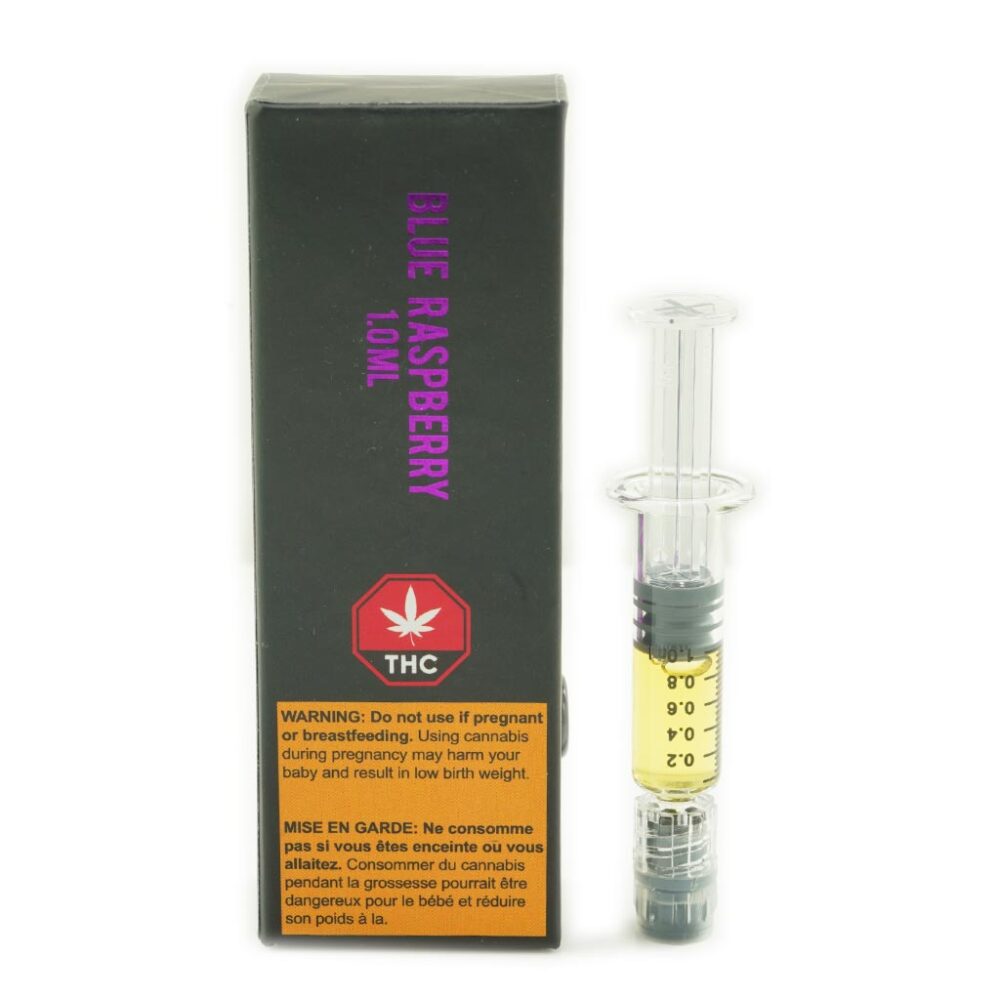
Distillate is a term you hear a lot in the world of cannabis concentrates. It refers to the product that comes from a distillation process, often using a closed-loop system where heat and vacuum pressure separate the cannabinoids from the plant matter. This method is common for producing delta 8 and delta 9 distillates, which are then used in vape cartridges, dabbing wax, or added to other products. The advantage of distillation is that it can produce a very pure, consistent concentrate with a known potency. The downside is that some of the more volatile terpenes can be lost, leading to a less aromatic product. Full spectrum extracts aim to solve that by preserving a wider range of cannabinoids and terpenes, which contributes to the entourage effect.
The entourage effect is the idea that the various compounds in cannabis work together to create a more nuanced and effective experience than any single cannabinoid alone. A full spectrum delta 9 concentrate will contain not just THC but also minor cannabinoids like CBG, CBC, and THCV, along with a rich profile of terpenes that influence aroma and effect. I have found that full spectrum products tend to produce a more rounded, less one-dimensional high. They are especially popular among medical users who want to target specific symptoms without the overwhelming intensity of isolated THC.
How to Consume Delta 9 Concentrate
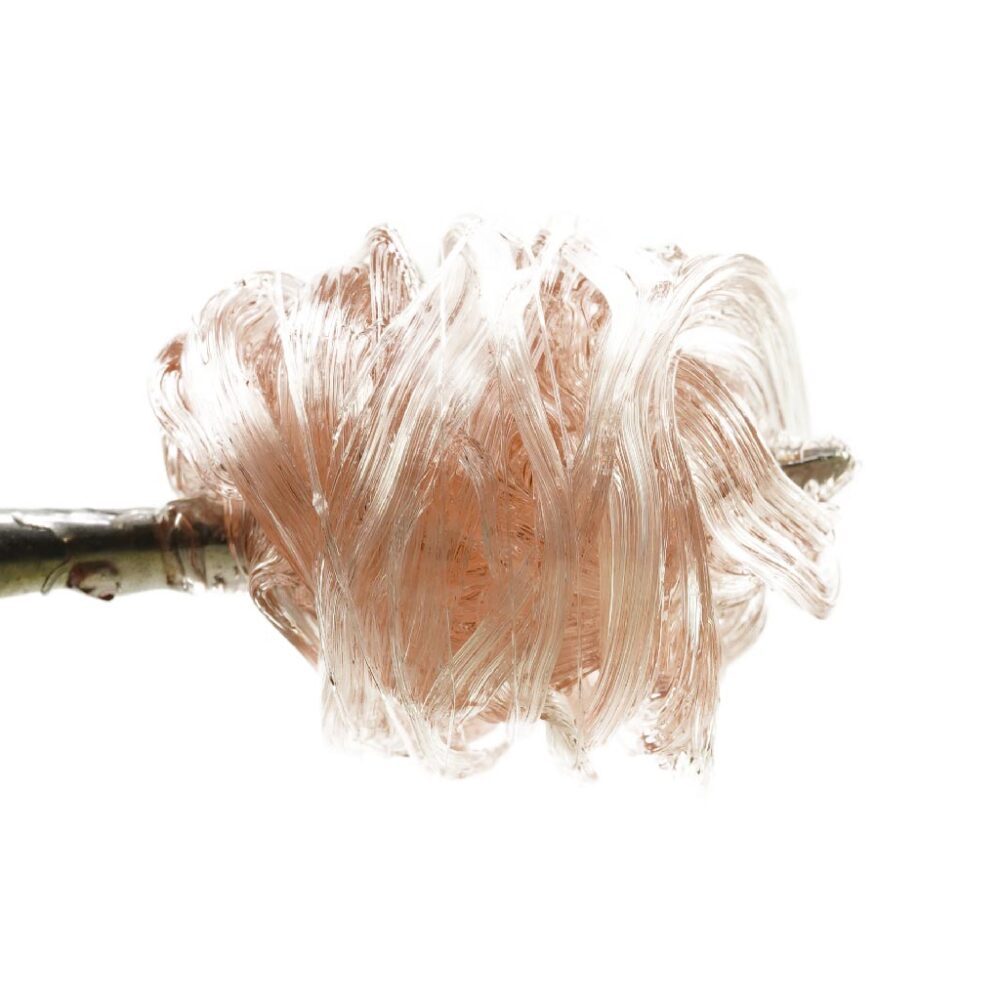
There are several ways to enjoy a high-potency concentrate, and each method changes the experience. Dabbing is the most direct. You heat a nail or banger on a glass rig, apply a small amount of concentrate, and inhale the vapor. This method delivers the full effect almost instantly, which is why it is preferred by those who value potency and flavor. A good dab rig with a quartz banger can preserve the delicate terpenes better than a titanium nail, which tends to burn hotter and degrade some compounds.
Vape cartridges are another popular option, especially for on-the-go use. These are pre-filled with distillate or wax that has been mixed with a thinning agent, often a terpene like CBC or a small amount of PG, to make it work in a standard vape battery. The convenience is hard to beat, but the trade-off is that the vapor can be less dense and the flavor slightly muted compared to dabbing. Some people also add concentrate to a joint or bowl, though this method is less efficient and can waste some of the material.
Practical Tips for First-Time Users
- Start with a very small amount. A grain of rice is enough for most people new to high-THC concentrates.
- Use a low-temperature dab if you are using a glass rig. This preserves flavor and reduces harshness.
- Keep your equipment clean. Residue buildup can ruin the taste and reduce potency.
- Check the lab testing results if available. Knowing the exact cannabinoid profile and residual solvent levels gives you peace of mind.
- Store your concentrate in a cool, dark place. Heat and light can degrade the cannabinoids over time.
Lab Testing and Transparency in the Market
The rise of legal cannabis has brought with it a new standard of accountability. Reputable brands now provide lab testing results for their products, showing the exact percentages of delta-9-tetrahydrocannabinol, delta 8, and other cannabinoids, along with terpene profiles and any residual solvents. This transparency is a huge step forward. I remember buying hash in the 90s that could have been anything, and you just hoped for the best. Today, you can look at a certificate of analysis and know exactly what you are getting. That said, not every online dispensary or local shop provides this data, so it pays to buy from sources that prioritize lab testing. KushStation is one example of an online dispensary that lists cannabinoid percentages and batch numbers for many of its products, which gives me confidence in the quality.
Flavored Concentrates and the Evolution of Taste
One trend I have noticed in recent years is the rise of flavored concentrates. These are distillates or waxes that have been infused with natural or artificial terpenes to create specific flavor profiles. You can find mango, blueberry, mint, and even dessert-inspired options. The appeal is obvious: they make the experience more enjoyable, especially for people who find the natural taste of cannabis too harsh or grassy. However, some purists argue that flavored concentrates mask the true character of the plant and can introduce additives that are not ideal for inhalation. I have tried a few, and while the flavors can be pleasant, I usually prefer unflavored full spectrum products that let the natural terpenes shine.
Comparing Delta 9 and Delta 8 for Different Needs
If you are trying to decide between the two, consider your tolerance and your reason for using cannabis. Delta 8 is often used by people who want relief from anxiety or pain without the intense psychoactive effects. It is also a good option for those who are new to concentrates or who have a low tolerance. Delta 9, by contrast, is for those who want the full experience. A high-quality delta 9 concentrate can deliver a powerful, long-lasting effect that is ideal for recreational use or for managing severe symptoms. I have friends who use delta 8 during the day and switch to delta 9 in the evening, and that flexibility is one of the strengths of the modern market.
The availability of both types from the same online dispensary makes it easy to experiment. You can buy a gram of delta 8 distillate for daytime use and a gram of delta 9 wax for the weekend. Just remember that potency varies widely between brands and even between batches, so always check the lab results if they are provided. A product labeled as "delta 9" might contain anywhere from 60% to 95% THC, and that difference matters a lot in practice.

Final Thoughts on Choosing a Concentrate
At the end of the day, the best delta 9 concentrate for you depends on your personal preferences and your tolerance. I recommend starting with a small amount from a trusted source, whether that is a local dispensary or an online retailer like KushStation. Pay attention to the extraction method, the cannabinoid profile, and the terpene content. A solventless, full spectrum extract from a brand that publishes lab testing is rarely a bad choice. And do not be afraid to ask questions. The cannabis community is full of knowledgeable people who are happy to share their experiences.
Whether you are dabbing from a glass rig, filling a vape cartridge, or simply adding a crumble to a joint, the world of cannabis concentrates offers depth and variety that was unimaginable a decade ago. Take your time, respect the potency, and enjoy the ride.